
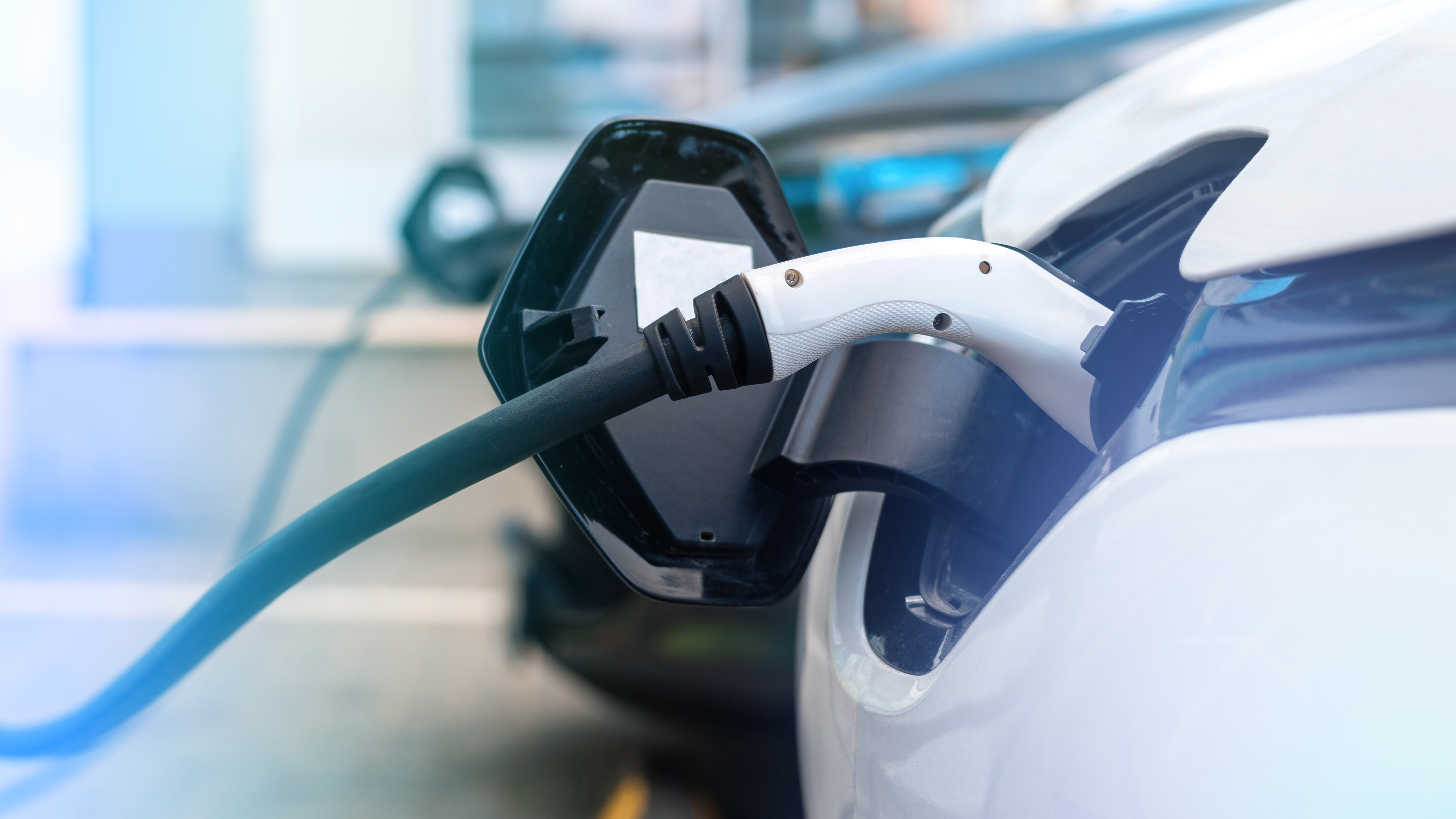
Dr. Godwin Kafui Kwesi Ayetor, Group Chair and Special Interest Group (SIG) lead for the Electric Vehicles and Sustainability Group at the Brew-Hammond Energy Centre, has called for a deeper national understanding of electric vehicles (EVs) as Ghana pushes toward a cleaner energy future.
He made the appeal during a two-day electric mobility primer organised by the Climate Compatible Growth (CCG) Programme under the Brew-Hammond Energy Centre.
The event brought together policymakers and stakeholders from the Petroleum Commission, National Road Safety Authority, Public Utilities Regulatory Commission (PURC), Electricity Company of Ghana (ECG), Ministry of Transport, UNEP, GIZ, TU Delft and the Ghana Police Service.
Dr. Ayetor underscored the human cost of Ghana’s air pollution crisis. “Some of the diseases we face, like asthma, lung cancer, neurological and cardiovascular diseases are all caused by emissions,” he said.
Although Africa contributes less than 1% of global emissions, the impact, he noted, is immediate and unavoidable. “When it comes to air quality, the problem is localized. You are in Accra, and you are breathing it in. You can’t say you produce only 1%; you are still the one inhaling the pollution.”
He cited China as the global leader in EV adoption, with electric two- and three-wheelers forming 39% of its national fleet. Locally, he pointed to growing EV uptake in Tamale, Bolgatanga and Kumasi, and acknowledged the work of emerging e-mobility firms such as Solar Taxi, iJANU, Wahoo and Drive EVGH.
Addressing concerns about battery safety, Dr. Ayetor said public misconceptions remain widespread. He explained that lithium makes up only about 3.2% of EV battery components, but improper disposal can make them hazardous.
“Even when disposed of in a landfill, they can generate their own fire in about 20 days,” he warned. “EV batteries can produce their own oxygen and heat, so extinguishing them requires targeting the oxygen production point not just the flames.”
Dr. Akwasi Adu-Poku, SIG Coordinator of the CCG Ghana Network, said the two-day primer was timely given Ghana’s EV policy implementation phase.
"Today's discussion is both relevant and timely. I say this because as Ghana is in the 'preparation for take-off' phase in the implementation of the EV policy which sets a target of 35% by 2035 penetration rate of EVs, we need more sensitization and clarity - not only on technology, but also on policy, regulation, safety, and most importantly, consumer readiness."
The event also featured practical demonstrations from Mr. Francis Elikplim Teidzor, a training instructor at Toyota Ghana, who stressed that internal combustion engines cannot eliminate carbon dioxide emissions.
“We can control the generation of carbon dioxide, but we cannot take it out completely. To achieve zero emissions and respond to global warming, the way forward is the introduction of electric vehicles,” he said.
Mr. Teidzor demonstrated safety protocols for EV maintenance.
“You don’t wash the engine compartment with water at the washing bay. Water is a conductor and will cause trouble for the system. Use vacuum or compressed air instead,” he advised. “When working on an EV, you must wear insulated gloves because of the high voltage.”
Participants later engaged in a show-and-tell session and EV test drives, gaining firsthand insights from EV drivers and technicians.
By: Abena Serwaa Gyamfi


